


I was sitting there in our cramped rented room in El Paso, Texas, facing Sophia, my wife, the woman who had walked with me through every hardship. I’m Diego Morales, 33 years old, just an ordinary mechanic whose hands are always stained with grease and sweat. That’s the man I am today. Sophia is 30, with bright eyes and a gentle smile, working as an elementary school teacher at a nearby school.
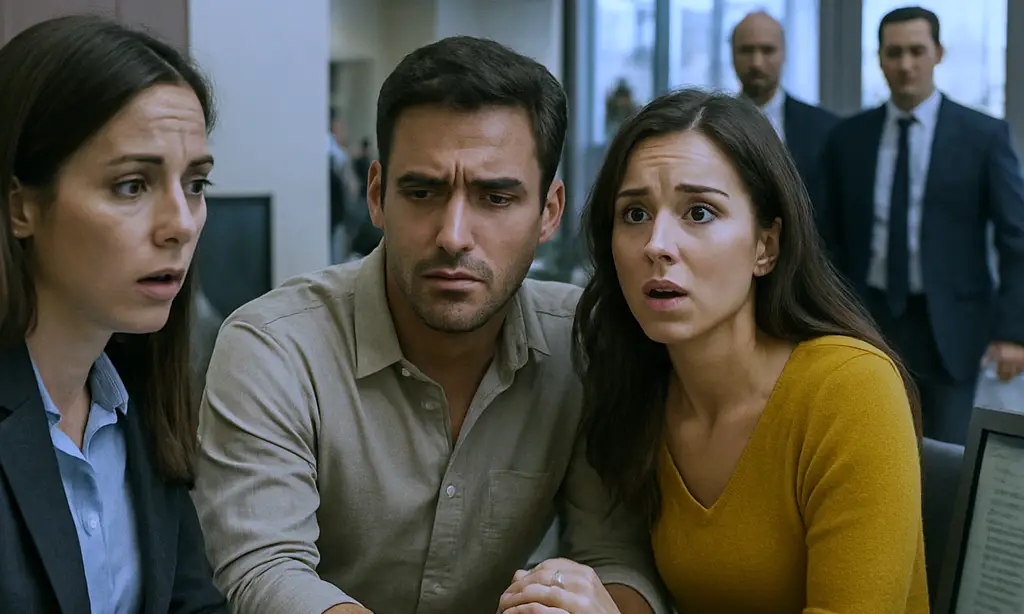
On the table between us lay a stack of bank loan documents, numbers scribbled everywhere that made my head spin but also filled me with hope. We were going through each item, calculating whether we’d finally saved enough for the down payment on our very first house.
«I think if we cut back a little more on groceries, we might have enough next month,» Sophia said softly but firmly. She was always like that, optimistic yet realistic, and it made me feel incredibly lucky to have her by my side.
I nodded, but in my mind, that house wasn’t just four walls and a roof. It was the destination of a long, tear-soaked, sweat-drenched journey that had begun on a fateful night fifteen years ago, when I was thrown out at eighteen. Every time I thought about it, my chest still tightened, like an old wound that had never fully healed.
But today, sitting here with Sophia, I decided to tell her everything so she would understand who I really am and so I could finally face that past once more. I had just turned eighteen. It was a sweltering summer day in El Paso, the kind where the sun scorched your skin from dawn to dusk.
I’d been working at the auto shop since early morning, my arms and back aching from tightening bolts, changing tires, and wiping down engines. But it was my birthday, so I treated myself to a tiny cake from the bakery near the shop. It wasn’t anything fancy, just a small vanilla slice with white frosting.
But to me, it was a rare joy. I carried it home with a tired smile, imagining I’d share it with my parents, Hector and Rosa Morales, the only mom and dad I had ever known. Our home back then was a little apartment on the outskirts where passing trucks rattled the floors.
I pushed open the door and froze. My parents were standing right there, blocking the entrance, faces cold and expressionless, not a trace of a welcoming smile. Next to them was my old suitcase, stuffed with clothes and a few random belongings.
My heart started pounding. A terrible feeling washed over me. «Mom? Dad? What’s going on?» I asked, my voice trembling, the cake nearly slipping from my hand.
Hector, my father, a tall man with a heavy beard and eyes that always cut like knives, stared straight at me. «Diego, you’re not my real son,» he said bluntly, his voice sharp as a blade. «Your mother and I raised you until you were eighteen. We’ve done our duty. From now on, you’re on your own.»
I stood paralyzed. Those words hit me like a punch to the face. I couldn’t breathe. «What are you saying? Is this a joke? It’s my birthday.»
I stammered, stepping closer, desperately searching his eyes for any sign he was kidding. But there was nothing. His face was stone. Rosa, my mother, small with her hair in a tight bun and hands rough from years of housework, stood silently, eyes fixed on the floor as if confirming everything without a word.
I couldn’t believe it. How could this be? They were the only family I had ever known. My voice grew louder as I demanded answers. «Why? What did I do wrong? If I’m not your real son, then who am I? You have to explain!»
My heart raced, cold sweat breaking out despite the heat. It felt like the ground was crumbling beneath me. Hector brushed me off, unmoved. «I don’t owe you an explanation. I’ve said what needs to be said. Take your stuff and get out.»
Rosa glanced at me for a second, lips trembling, then whispered almost inaudibly, «Diego, you have to fend for yourself now.»
I lost it. I shouted in desperation. «What did I do wrong? Why are you treating me like this?»
No answer. My voice broke as I stepped closer, nearly begging. «Please, just once, tell me the truth. You’re all I have.»
I fell to my knees in front of Rosa, clutching her hands. «Mom, please don’t throw me out. I don’t want to be left alone like this.»
But she trembling pulled her hands away and turned her face. Hector stood there, cold as ice, unmoving. I understood then. No matter how much I pleaded, it was useless.
Finally, I stood up through my tears. I grabbed a few old clothes, the tool set I’d bought with my own extra earnings, and the little money I’d saved—just a few hundred dollars. Before walking out, I turned back one last time, clinging to a faint hope they’d call me back. No one did.
The door slammed shut behind me. I stood alone on the dark street, the hot wind blowing dust across my face. From that moment, I knew I truly had no home to return to.
I used every penny I’d saved to rent a tiny, damp room in a poor worker’s district. The walls were cracked, and insects chirped all night. That was the beginning of starting from absolute zero.
The loneliness was crushing. I wanted to cry, but I knew I had to be strong. «You have to toughen up. You have to survive, Diego,» I told myself, clenching my fists.
To survive, I took any hard labor I could find. Sometimes I worked three shifts a day, sleeping only a few hours on the garage floor. Meals were whatever was cheapest: cheap meat sandwiches or instant noodles.
At the end of each month, when I paid rent, I’d stare at my wallet and feel a sting in my chest. «Will I make it?» I’d wonder, then grit my teeth and keep going. Those days taught me that life isn’t always fair, and sometimes you have to fight alone.
Then one evening, while doing overtime repairs at a small garage, I met Sophia. She pulled up in her old car after finishing work at the elementary school. «My brakes are shot. Can you fix it?» she asked gently, her big tired eyes still warm.
I nodded and got to work. While waiting, we chatted a little. She told me about her mischievous students, and I talked about broken-down cars. Those short conversations slowly brought us closer.
She started coming in more often, and I began looking forward to those afternoons. I kept my past hidden. I only said I had no family left; I didn’t want to dig into the pain of being thrown out.
Sophia was the same. She rarely spoke about her own background, only showing a fleeting sadness when mentioning she’d been on her own early, too. We both carried silent wounds, secrets we didn’t want to share. But that very understanding bound us together.
We both knew the weight of life and admired each other’s strength and hard work. From cheap coffee chats, love quietly grew. I remember our first real date, my heart pounding like a teenager’s, terrified she might not feel the same.
But Sophia smiled, took my hand, and everything felt natural. After three years together, we got married. The wedding was simple, just a small church ceremony with a few close friends. No lavish party, no fancy dress, just genuine love.
We rented another tiny room just big enough for two and started splitting every expense. I became a full-time mechanic at a bigger garage, taking night shifts to earn more. Sophia taught school, saved every penny, and barely spent anything on herself.
We worked from dawn to night, but every evening when we came home and held each other, I felt happy. Ten years passed in relentless patience and strict saving. There were moments we almost broke when I fell seriously ill from overwork or when Sophia cried from teaching stress.
But deep down, I always held the dream of owning a real home for our family, a place that was truly ours where we could build a future. And when we finally saved enough to consider a loan, we applied to buy our first house. I thought everything was about to change for the better.
Little did I know that step would lead us down another fateful path, where long-buried secrets would begin to surface. The next morning, Sophia and I woke up early, hearts full of excitement mixed with anxiety. We put on the cleanest clothes we had.
I wore my old shirt, carefully ironed, and Sophia wore her favorite simple light blue dress. We gathered the stack of documents, left our damp little rented room, and drove our beat-up old car downtown to the bank in central El Paso. The Texas morning air was still cool.
The wind carried the smell of road dust and coffee from the roadside cafes. I held Sophia’s hand tighter than usual, trying to reassure us both. «Everything will go smoothly today, love,» I whispered. But deep down, a vague unease gnawed at me.
The bank was crowded, keyboards clacking, employees calling out numbers. We sat waiting for our turn, clutching the folder tightly. Finally, a middle-aged woman named Maria, according to her nametag, invited us to her counter.
She smiled politely, took our paperwork, and began entering the data. «Young couple buying your first house? Congratulations,» she said cheerfully. I nodded and forced a smile while Sophia gently rubbed her belly; we didn’t yet know a baby was on the way.
Then, in the blink of an eye, everything changed. Maria frowned at her screen, typed a few more keys, and shook her head. «There’s a problem. The social security number. The system says it’s invalid.»
My stomach dropped. «Why invalid? What kind of error?» I asked, my voice already trembling.
She double-checked, then looked at us with sympathy. «This SSN doesn’t match any credit record. We have to put the entire loan application on hold. You should go to the Social Security Administration office and get it checked.»
We left the bank in a daze. Sophia squeezed my hand, eyes worried. «It’s probably just a mix-up, honey. Let’s go right now.»
I nodded, but inside a storm was brewing. My SSN, the one I’d used since childhood for jobs, taxes, everything, was suddenly invalid? It was part of me. How could it be wrong?