


The sudden burst of static from the comms console at Aero 342 didn’t just break the silence; it was the pivot point of my entire life.
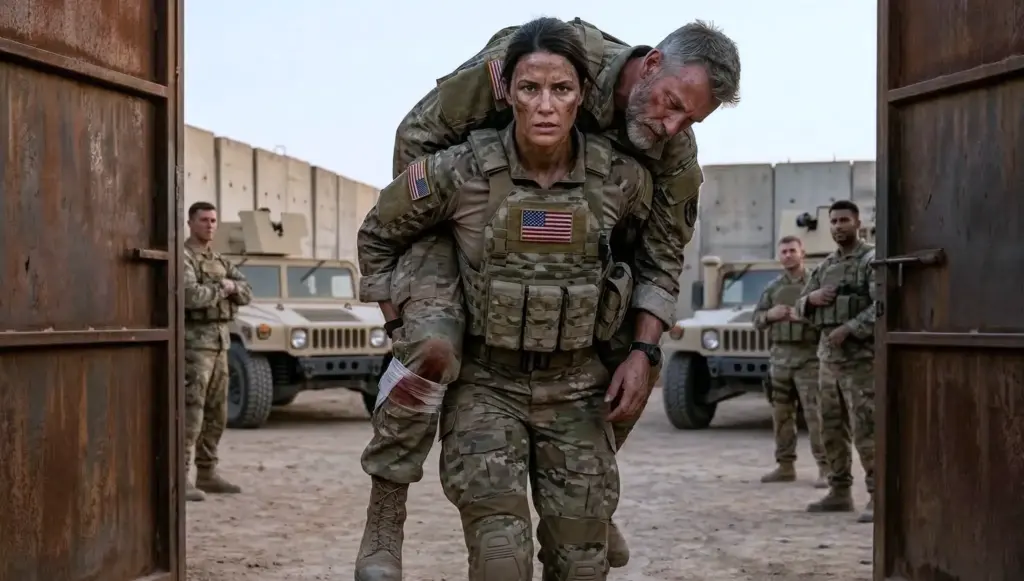
The voice on the other end was frayed, breathless. “They’ve got the colonel. I repeat. Hostile forces have captured Colonel Robert Keane.”
A heavy, agonizing silence followed the transmission, punctuated only by the distant, chaotic crackle of small-arms fire and sharp, guttural shouts in Arabic echoing through the speaker. Then, the connection died completely. I stood frozen in the operations center, staring at the lifeless black box of the radio. My heart slammed against my ribs as my mind automatically scrolled through a rolodex of absolute nightmares. The battalion commander hadn’t just been pinned down in a firefight. He had been taken by a faction infamous for turning their captives into horrific digital spectacles, broadcasting their cruelty to the world.
The standard operating procedure—the textbook answer drilled into us since day one of training—was to hit the brakes. We were supposed to assemble a dedicated rescue force, spend agonizing hours pouring over blueprints, and route endless requests through the sluggish labyrinth of higher command. But reality doesn’t care about textbooks. By the time the ink dried on those operational approvals, Keane would be gone.
I stood over the glowing tactical map, tracing a hard, undeniable line to a hostile compound situated exactly fifteen kilometers out into the unforgiving landscape. I thought about the man who had spent the last three years shaping me into the officer I was. Without asking for a green light, I slung my rifle over my shoulder, grabbed every single magazine I could carry, and walked out the door.
Sometimes, you just have to step off the edge into the dark alone, if only to prove to the enemy that dragging an American into the shadows is the last mistake they will ever make.
Three years ago, when I first crossed paths with Colonel Robert Keane, I was a green lieutenant still wearing the dust of Ranger School. I was fighting tooth and nail to carve out an inch of respect in a combat arms unit where women were still viewed through a lens of heavy skepticism. Keane was a completely different breed. He was a thirty-year veteran with two grueling combat deployments under his belt. He possessed this quiet, magnetic competence that simply drew the best out of everyone in his orbit.
I still remember our very first conversation. It was stripped of all formalities and polite filler.
“Lieutenant Cross,” he had said, his eyes locking onto mine with the weight of decades of service. “I don’t care if you’re male, female, or a Martian. Can you lead soldiers in combat?”
“Yes, sir,” I answered, my voice steady, refusing to blink.
“Then prove it.”