


The notification chime was a soft, cheerful little bell, utterly at odds with the silence of my one-bedroom apartment in Fayetteville. I picked up the phone. The screen cast a harsh, blue glare across the dark room, illuminating the cheap string of Christmas lights I had haphazardly taped to the window glass just hours before. It was a message from my father.
For a fraction of a second, a foolish, persistent spark of hope flared in my chest. I had spent years dodging shrapnel, enduring brutal surgeries, and standing at attention in the freezing rain while taps played for brothers and sisters in arms. Through all of that, I had waited for him to reach out.
I opened the message.
“Don’t bother coming this Christmas. We’ve decided it’s best you stay away this year.”
There was no preamble. No questions about my health. No hollow claims of missing me. It read exactly like a corporate termination notice, drafted by a stranger and delivered to a liability.
You can train a soldier to compartmentalize terror. You can teach a woman to patch a bleeding wound under enemy fire. But nothing prepares you for the moment you realize the people who are biologically wired to love you have simply locked the door. The absolute finality of it hit me with the blunt force of a physical blow, stealing the breath right out of my lungs. My mother had not chimed in to soften the impact. My brother, Tyler, remained completely silent. It was a united front. They had all signed some unspoken treaty to exile me just days before the holidays.
I sat at my tiny kitchen table, tracing the artificial wood grain with my thumb, wondering what exact sin I had committed to earn this specific brand of freezing indifference.
My fingers hovered over the digital keyboard. I could have demanded answers. I could have begged for an explanation. Instead, I typed a single, devastating word.
“Fine.”
I pressed send. This was not the passive-aggressive sort of fine you offer when you desperately want someone to pry the truth out of you. It was a terminal fine. A padlock snapping shut. The kind of fine that meant I would never give them another opportunity to draw blood.
I calmly closed my laptop, navigated to my airline application on my phone, and canceled the flight home I had purchased three weeks in advance. I walked into the kitchen, uncorked a bottle of inexpensive red wine, and poured a generous measure into a water glass. Raising the rim to the empty room, I whispered to the shadows.
“To family.”
Five days later, my phone would light up with ten missed calls—a frantic symphony of panic from my brother, my father, four from my mother, and one incredibly telling voicemail from their legal counsel. By the time those calls came pouring in, it was far too late to recall the machinery I had set into motion. They operated under the assumption that I would inevitably return, loyal to a fault, starving for the absolute barest scraps of affection.
But to understand how we arrived at that breaking point, you have to understand the soil in which this bitter tree grew.
When I enlisted in the military at eighteen, I was looking for an escape hatch. Graduation day at basic training was a sweltering, sun-baked affair. I stood there in my crisp uniform, chest swelling with a fragile, newborn pride. When my father finally walked up to me, there was no embrace. He simply looked me up and down, his eyes scanning for flaws, and offered his version of paternal warmth.
“Try not to embarrass yourself out there,” he muttered.
He always cloaked his criticism in the guise of fatherly advice. But I had not signed my life over to the government to make him proud. I joined the service because I needed to believe I had value. Walking the halls of my childhood home had always felt perilous, like sharing a cage with a man who viewed me as an unrequested burden.
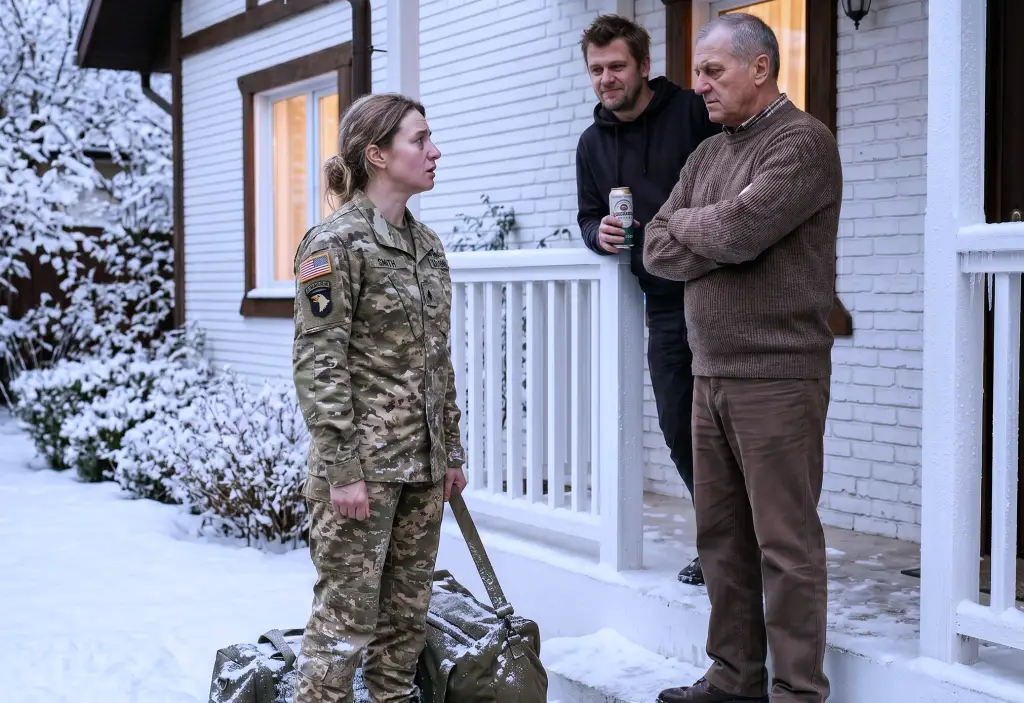
Even when I earned the rank of Sergeant, nothing changed. I flew home that particular Christmas craving just a single nod of validation. Before I could even unlace my combat boots in the hallway, he handed me a snow shovel and pointed at the driveway. He did not offer congratulations. He did not say he was proud. He just told me to grab a heavier coat.
My mother was merely a ghost haunting her own living room, perpetually wringing her hands and whispering urgent pleas for me to just keep the peace and not upset him. Tyler, meanwhile, had learned the survival tactics of the house early on. He shadowed my father, agreeing with every grievance, knowing that complicity bought him safety.
So, I played the role of the dutiful, distant soldier. I called on every birthday, regardless of what time zone I was stranded in. I arranged for floral deliveries on their anniversaries. When the house needed a new roof, or my father’s sedan required a transmission rebuild, I mailed portions of my combat pay. They never asked how many night patrols paid for those repairs. They never asked about the nightmares or the toll it took on my mind. They simply deposited the funds and sent back a generic digital thumbs-up. Sometimes, they did not even bother with that.